Missions
Four centuries
of looking closer.
From a puzzling shape in Galileo’s telescope to Cassini’s final plunge — and a rotorcraft headed for Titan. Every entry links to the page it was checked against.
Through the telescope
July 1610
Galileo sees something strange
Galileo saw Saturn’s rings through his telescope but could not make out their shape; he took them for a “triple planet”.
Source: NASA Science: Saturn: Exploration (opens in a new tab)
1655
Huygens finds the rings and Titan
Christiaan Huygens recognized the rings and discovered Saturn’s largest moon, Titan.
Source: NASA Science: Saturn: Exploration (opens in a new tab)
1675
A division in the rings
Giovanni Domenico Cassini identified a division between the A and B rings — the Cassini Division.
Find it in Cassini radio dataSource: NASA Science: Saturn: Exploration (opens in a new tab)
The first spacecraft
September 1, 1979
Pioneer 11
The first spacecraft to reach Saturn. It discovered the F ring and a new moon.
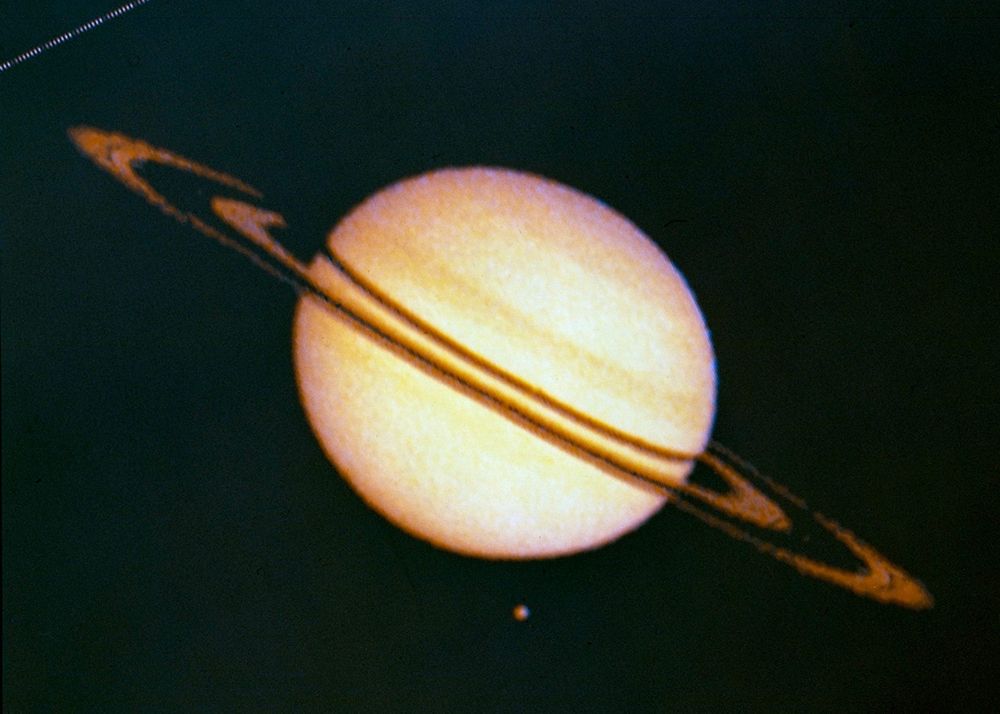
Saturn and its moon Titan from 2,846,000 km. Irregularities in the ring outline and shadow come from technical problems in the preliminary data.NASA Ames · NASA page: Pioneer 11 at Saturn (opens in a new tab) Source: NASA Science: Saturn: Exploration (opens in a new tab)
November 1980
Voyager 1
Showed that the broad rings are made of thousands of narrow ringlets, tied the braided F ring to two shepherd moons, and passed within about 6,500 km of Titan to measure its thick nitrogen atmosphere.
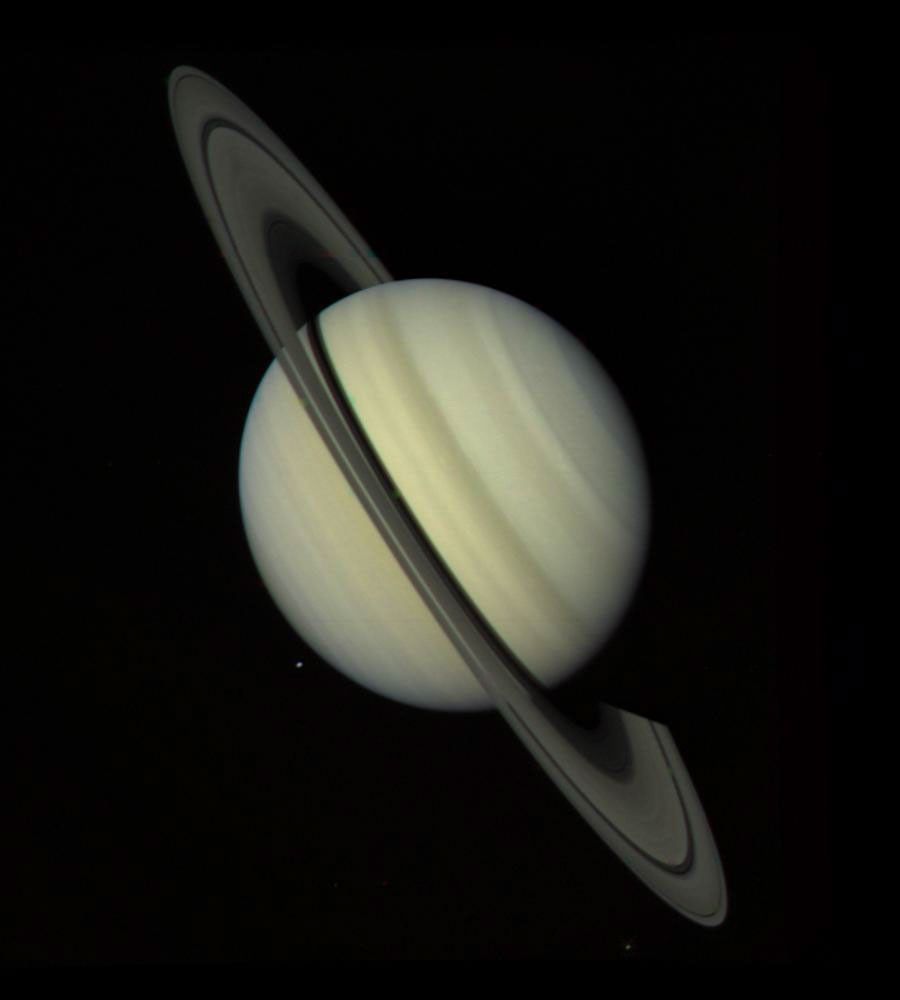
Taken from about 34 million km, on the last day Saturn and its rings fit in one narrow-angle frame. The moon Dione is just below the south pole.NASA/JPL-Caltech · PIA02225: Saturn Approach – Full Disk (opens in a new tab) Source: NASA History: 40 Years Ago: Voyager 1 Explores Saturn (opens in a new tab)
1981
Voyager 2
Flew within about 42,000 km of Saturn’s cloud tops and returned 16,000 images of the planet, its rings and moons, including the shepherd moons Prometheus and Pandora.
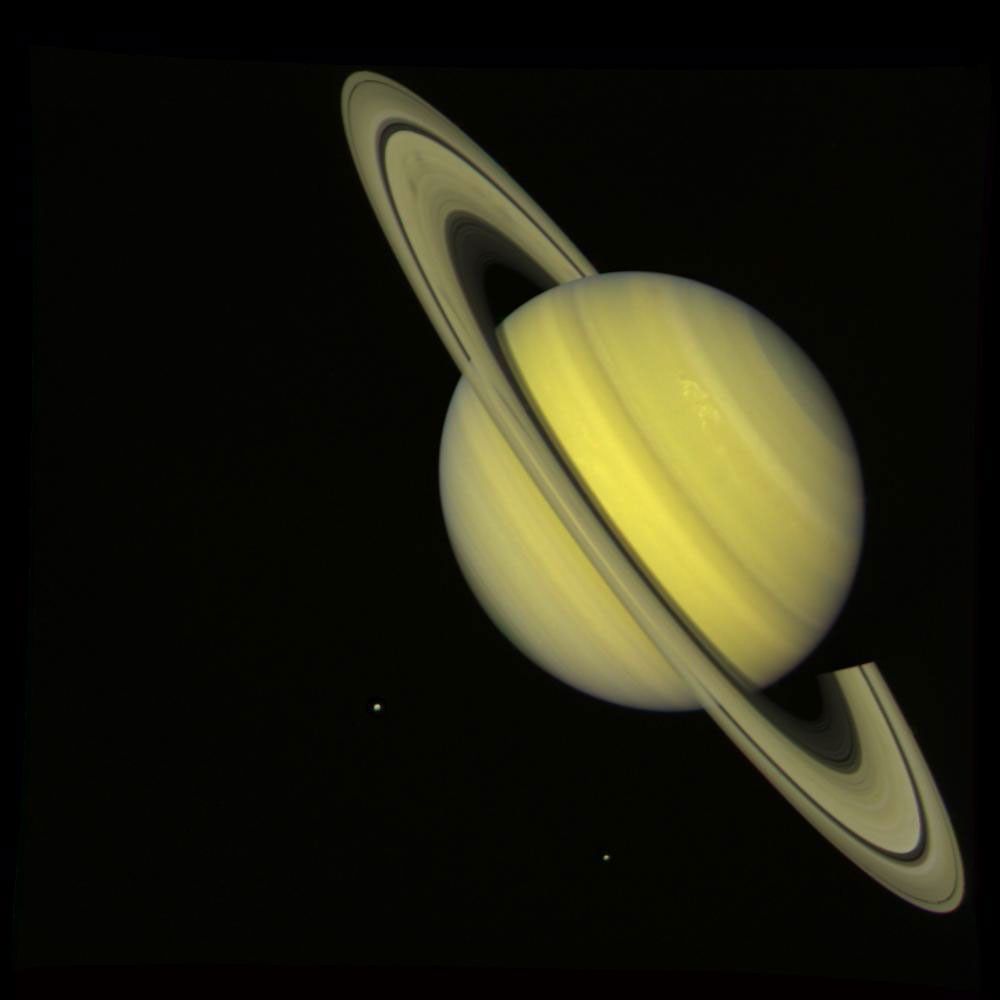
Rhea and Dione appear as small blue dots south and southeast of Saturn; dark spoke-like features cross the B ring.NASA/JPL · PIA00030: Saturn With Rhea and Dione (True Color) (opens in a new tab) Source: NASA History: 40 Years Ago: Voyager 2 Explores Saturn (opens in a new tab)
Cassini–Huygens
October 15, 1997
Launch
Cassini–Huygens left Cape Canaveral on a Titan IVB/Centaur rocket for a journey of nearly seven years, flying past Venus twice, then Earth and Jupiter, on the way.
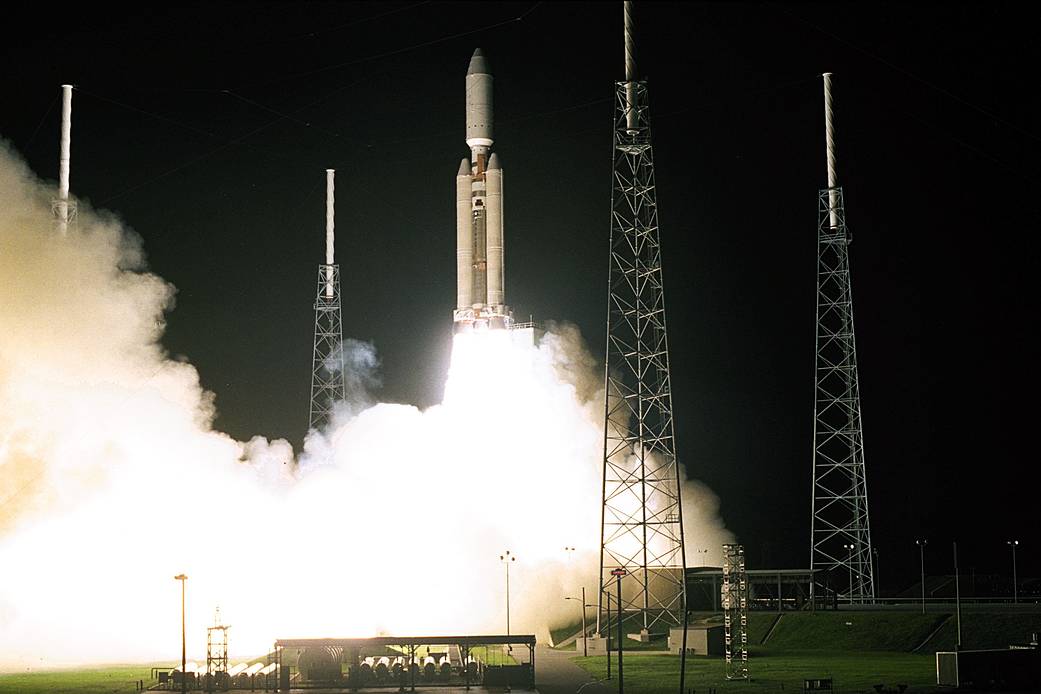
Liftoff of the Titan IVB/Centaur rocket carrying Cassini and its attached Huygens probe, at 4:43 a.m. EDT.NASA · NASA page: Cassini Processing and Launch Gallery (opens in a new tab) July 1, 2004
The first Saturn orbiter
Cassini entered orbit around Saturn (June 30 in California, where the mission was operated).
Sources: NASA Science: Cassini timeline: Cassini timeline (opens in a new tab), Saturn exploration: Saturn: Exploration (opens in a new tab)
January 14, 2005
Huygens lands on Titan
The Huygens probe made the first soft landing on a moon of another planet.
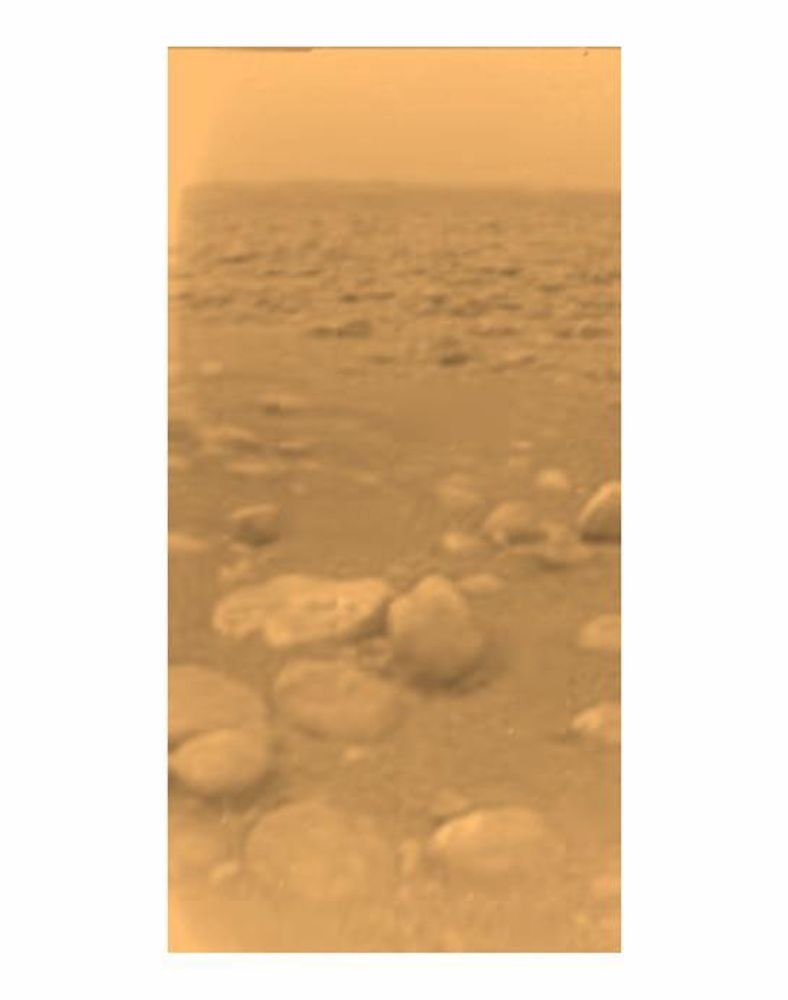
Pebble-sized objects on a dark surface of water and hydrocarbon ice. The two largest, below center, are about 15 cm and 4 cm across.NASA/JPL/ESA/University of Arizona · PIA07232: First Color View of Titan’s Surface (opens in a new tab) Sources: NASA Science: Saturn exploration: Saturn: Exploration (opens in a new tab), Cassini timeline: Cassini timeline (opens in a new tab)
May 3, 2005 – June 19, 2010
The six radio profiles on this site
Cassini’s Radio Science Subsystem recorded the ring occultations in this website’s data explorer on May 3, 2005; September 15, 2006; May 10, 2007; April 11, 2008; December 26, 2009; June 19, 2010.
All six observationsSource: NASA PDS Ring-Moon Systems Node: Cassini RSS ring occultation archive (opens in a new tab)
September 17, 2006
A new faint ring
A ring sharing the orbits of the moons Janus and Epimetheus was discovered.
Source: NASA Science: Saturn: Exploration (opens in a new tab)
August 10–11, 2009
Equinox
Sunlight hit the rings exactly edge-on. Countless icy clumps cast long shadows across them; some were as tall as the Rocky Mountains.
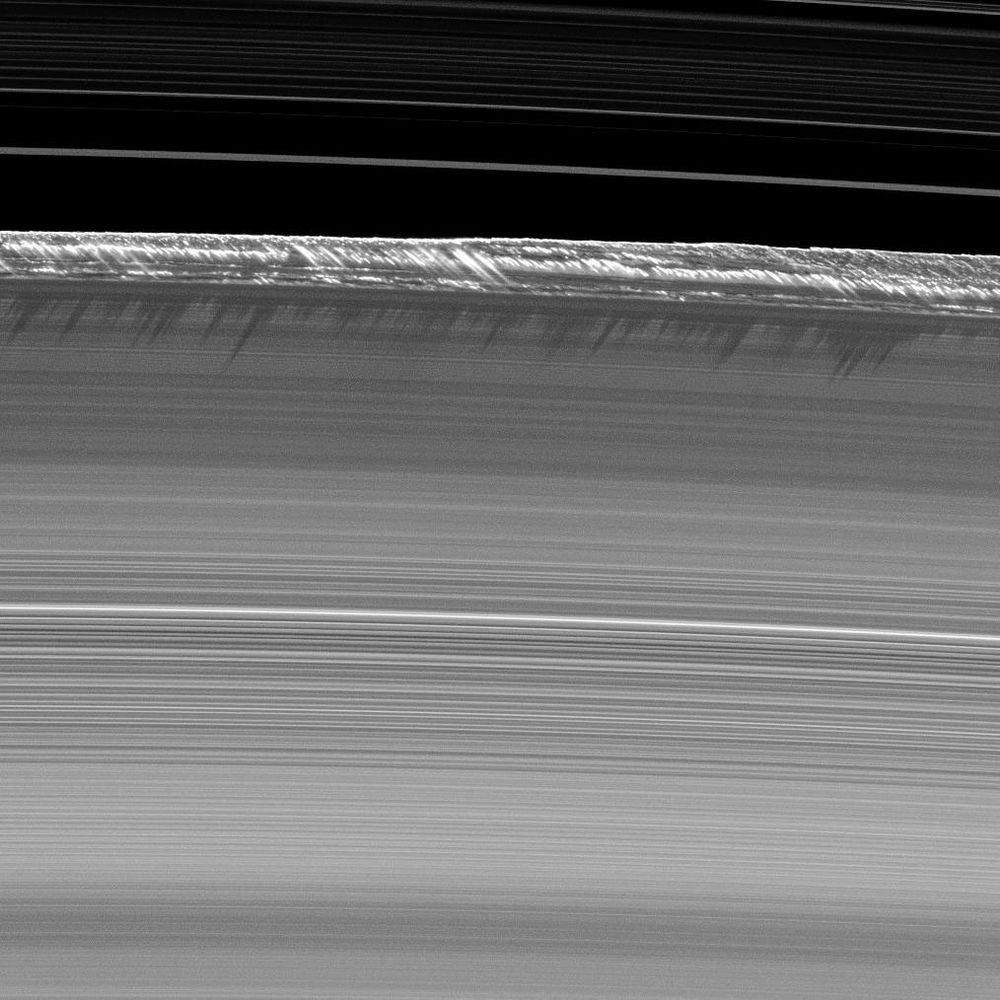
Two weeks before equinox, structures up to 2.5 km high along the outer edge of the B ring cast long shadows.NASA/JPL/Space Science Institute · PIA11668: The Tallest Peaks (opens in a new tab) Sources: NASA Science: Cassini rings science: Cassini science: Rings (opens in a new tab), Cassini timeline: Cassini timeline (opens in a new tab)
April 26 – September 15, 2017
The Grand Finale
Cassini made 22 dives through the gap between Saturn and its rings, then ended its mission with a planned plunge into Saturn’s atmosphere.
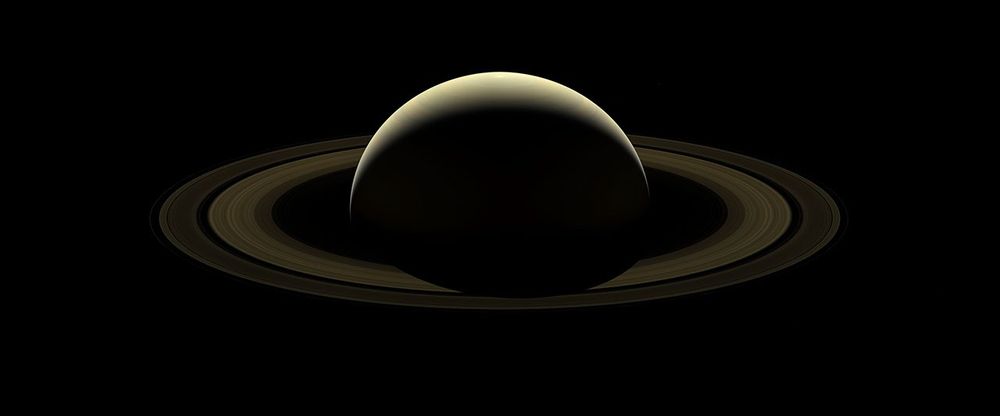
Saturn from about 1.1 million km, two days before Cassini’s final plunge, in a natural-color mosaic of 42 frames.NASA/JPL-Caltech/Space Science Institute · PIA17218: A Farewell to Saturn (opens in a new tab) Sources: NASA Science: Cassini timeline: Cassini timeline (opens in a new tab), Saturn exploration: Saturn: Exploration (opens in a new tab)
Since Cassini
January 2019
A day measured by the rings
By modeling waves that vibrations inside Saturn create in its rings, researchers found that a day on Saturn lasts 10 hours, 33 minutes and 38 seconds.
Source: NASA JPL: Scientists Finally Know What Time It Is on Saturn (opens in a new tab)
September 2026
A ten-sided wave in the south
A study published in September 2026, using Hubble observations dating back to 2023, reported a 10-sided wave around Saturn’s south pole — the first large, regular-sided jet pattern seen in the southern hemisphere.
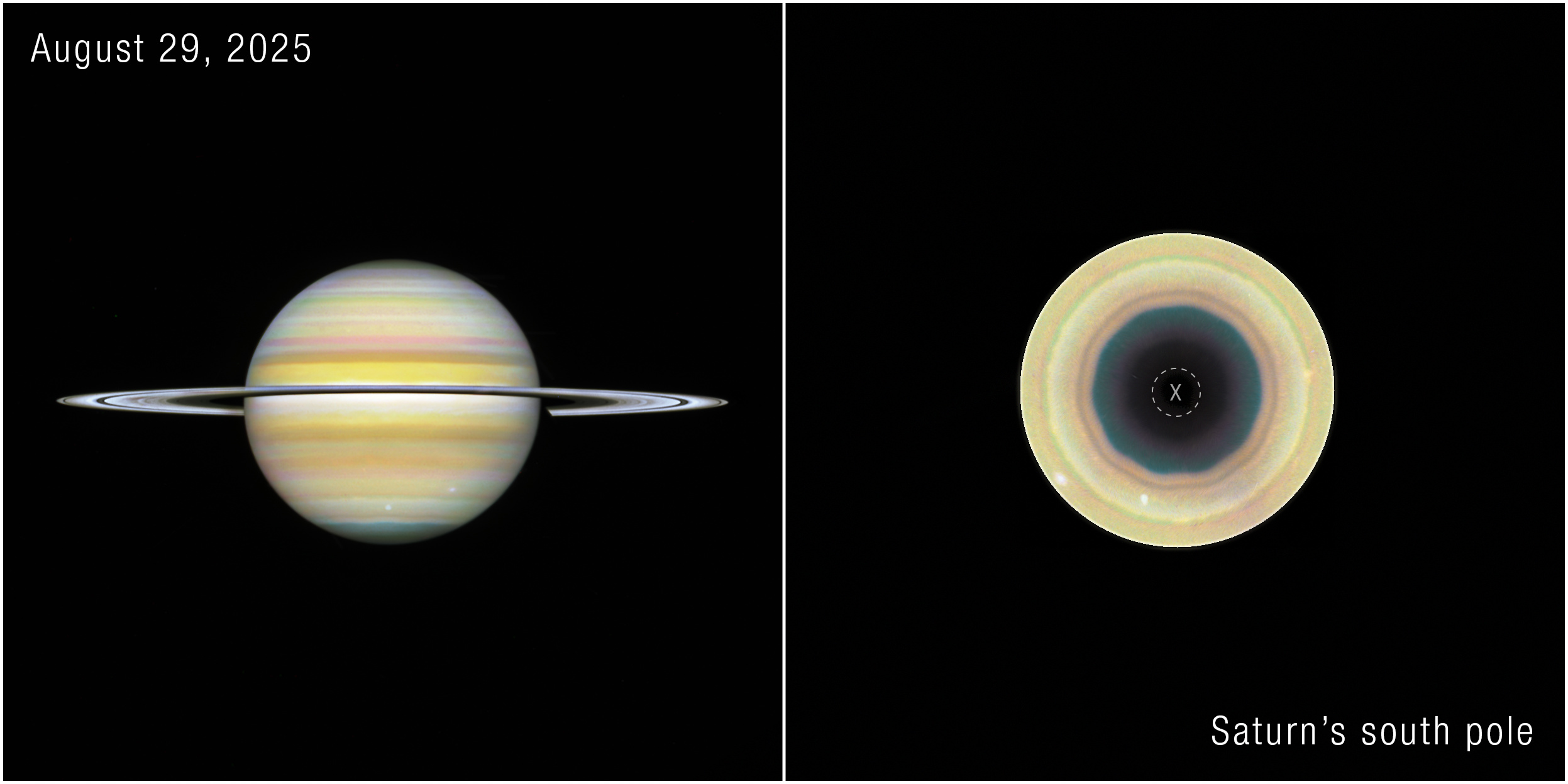
The whole planet (left) and the south pole (right), where a ten-sided wave circles the pole. A dashed circle marks missing data at the pole.NASA, ESA, STScI, Agustin Sánchez-Lavega (UPV), Amy Simon (NASA-GSFC), Michael Wong (UC Berkeley); image processing: Alyssa Pagan · NASA page: Decagon on Saturn’s South Pole (Color) (opens in a new tab) No earlier than July 2028
PlannedDragonfly
NASA’s Dragonfly, a car-sized lander with eight rotors, is planned to launch no earlier than July 2028. After a cruise of roughly six to seven years it will fly between dozens of landing sites on Titan.
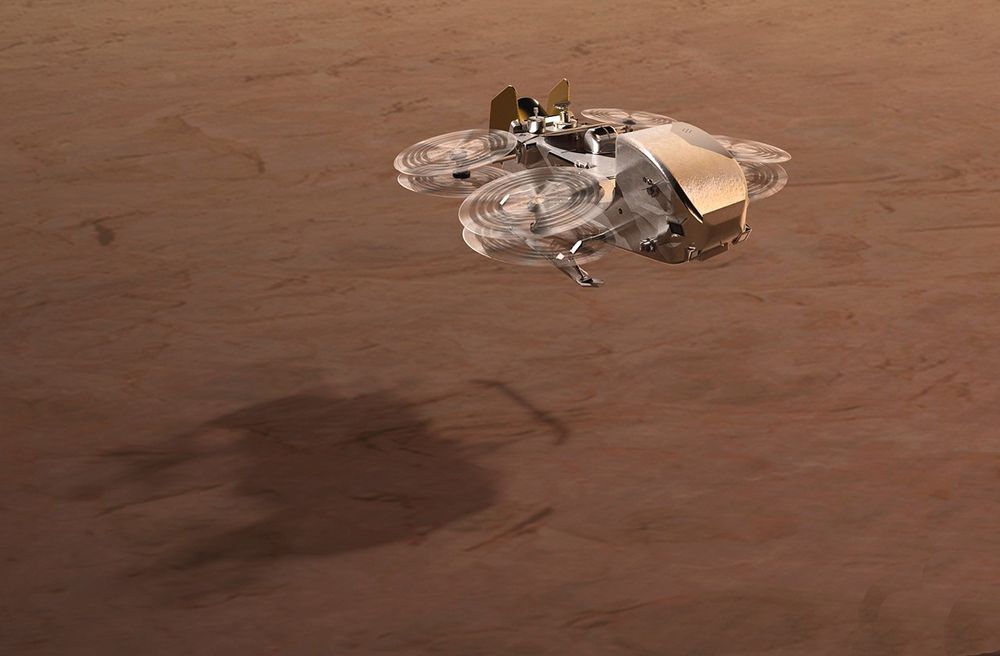
An artist’s concept of Dragonfly’s rotors in action over Titan.NASA/Johns Hopkins APL · NASA page: Dragonfly Rotors (opens in a new tab) Sources: Johns Hopkins APL: Dragonfly mission confirmed for 2028 launch (opens in a new tab)Space.com: Dragonfly clears key hurdle ahead of 2028 launch (opens in a new tab)
Sources
Where these facts come from
Mission dates are given as NASA reports them; times near midnight can fall on different calendar days in different time zones. Plans for future missions can change.
- Saturn: Exploration (opens in a new tab)NASA Science
- 40 Years Ago: Voyager 1 Explores Saturn (opens in a new tab)NASA History
- 40 Years Ago: Voyager 2 Explores Saturn (opens in a new tab)NASA History
- Cassini timeline (opens in a new tab)NASA Science
- Cassini RSS ring occultation archive (opens in a new tab)NASA PDS Ring-Moon Systems Node
- Cassini science: Rings (opens in a new tab)NASA Science
- Scientists Finally Know What Time It Is on Saturn (opens in a new tab)NASA JPL · January 18, 2019
- Saturn: Facts (opens in a new tab)NASA Science
- Dragonfly mission confirmed for 2028 launch (opens in a new tab)Johns Hopkins APL · April 17, 2024
- Dragonfly clears key hurdle ahead of 2028 launch (opens in a new tab)Space.com · April 26, 2025